The Window
News from the National Humanities Center
February 2026


Message From the President and Director
Dear Friends,
As February draws to a close, so too does Black History Month. It’s a time set aside to reflect on the depth, complexity, and endurance of Black life and thought. As a historian of the Black experience, each February gives me a renewed charge to continue telling the full story of this nation, amplify voices that are too often sidelined, and write histories as expansive as the people who shaped it.
At the National Humanities Center, that commitment has long been part of our intellectual fabric. From the powerful presence of John Hope Franklin to the pathbreaking work of our current Fellows, the Center has been a vital home for African American studies and for scholarship that documents the full, unvarnished breadth of the Black experience. My own scholarly journey has been strengthened by this community, and I am proud to lead an institution that works to affirm the centrality of histories too often pushed to the margins.
This February also marks an important milestone in the Center’s history. Fifty years ago, North Carolina was officially selected as our permanent home. In February 1976, after a nationwide search, the American Academy of Arts and Sciences chose the Research Triangle as the site for what was then a bold experiment in independent inquiry. Five decades later, it is clear that the intellectual energy of this region has helped shape the Center, making it a community where rigorous, imaginative scholarship can thrive.

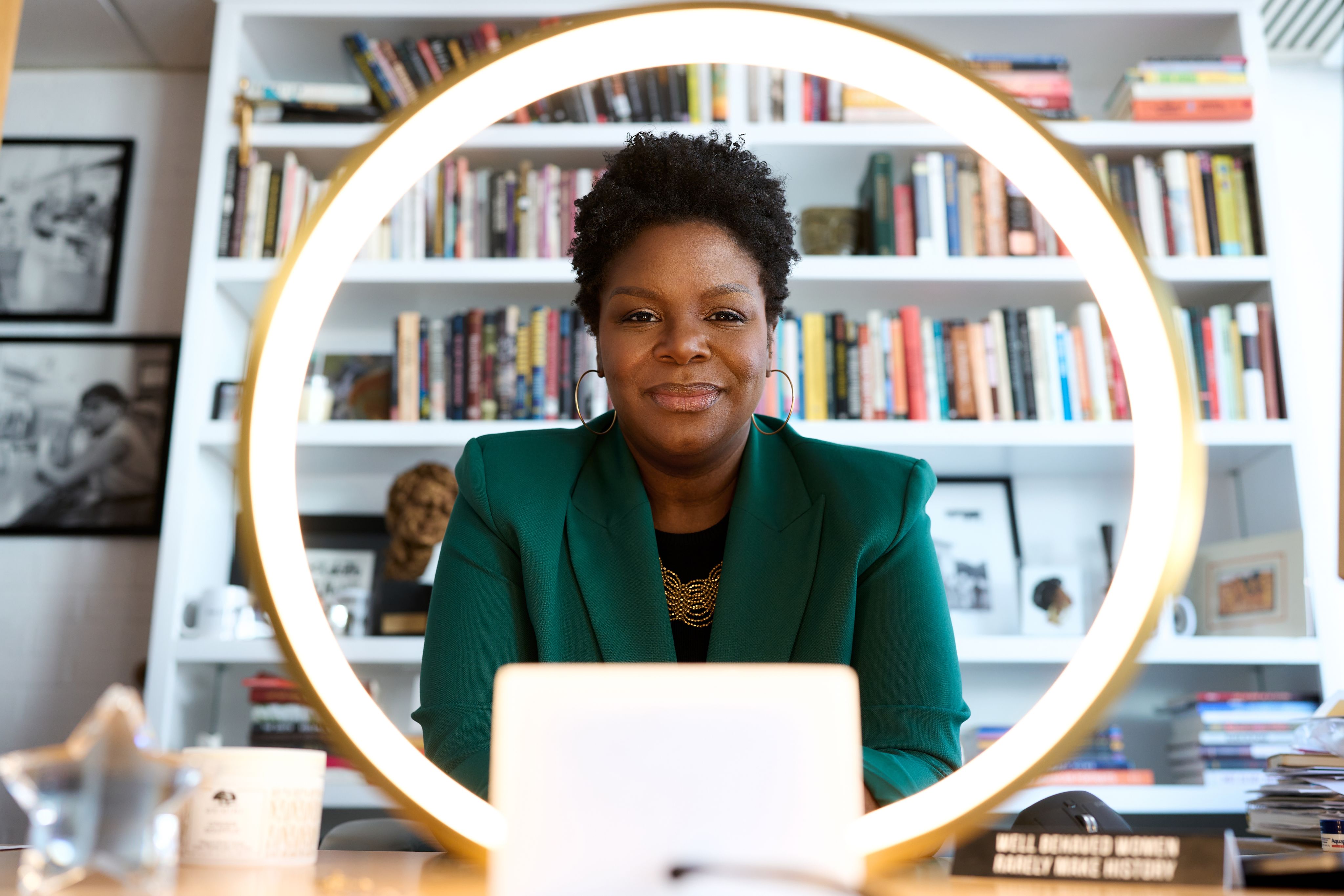
This month’s newsletter also features an illuminating conversation I had with the phenomenal Kathleen DuVal. Her 2025 Pulitzer Prize-winning work, Native Nations: A Millennium in North America, exemplifies the kind of rigorous, transformative history we champion here. Her insights into a millennium of Indigenous sovereignty and power offer a necessary, expansive lens for understanding the American story.
I hope you’ll spend time with these stories, reflect on the histories that brought us here, and imagine what the next fifty years of humanistic discovery can make possible.

Blair LM Kelley, President and Director
National Humanities Center
Countdown to 50: The National Humanities Center and the Research Triangle Region
In the fall of 2028, the National Humanities Center (NHC) will celebrate its 50th anniversary and a history of work supporting humanities scholarship, education, and public appreciation. As we approach that milestone over the coming months, we look forward to sharing some of the Center’s history and taking a moment to appreciate the work of those whose vision and dedication have contributed to the achievements of the last five decades.
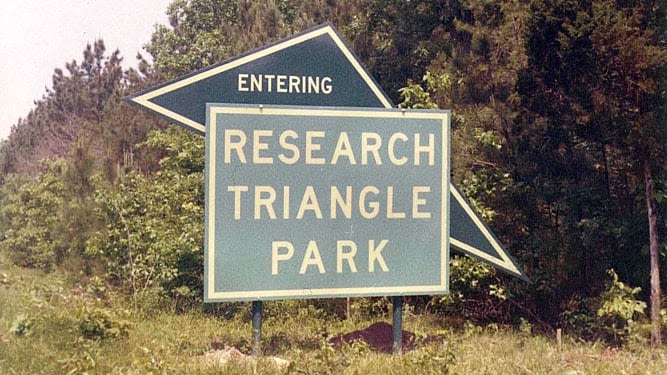
This month marks 50 years since the landmark decision by the American Academy of Arts and Sciences to locate the National Humanities Center in North Carolina’s Research Triangle Park (RTP). The culmination of three years of intensive planning, this choice was a strategic move—to embed the humanities within one of the nation's most dynamic hubs of scientific and technological innovation.
Centering the Humanities
From its inception, the NHC was designed to be more than an ivory tower. By placing the Center in Research Triangle Park—midway between Duke University, North Carolina State University, and the University of North Carolina at Chapel Hill—planners ensured that scholars would be “surrounded by a wide spectrum of corporate, nonprofit, and governmental research enterprises.”
This proximity to “the realities of contemporary life” was intentional. One of the Center’s primary goals was to break down the traditional barriers separating the natural sciences, social sciences, and the humanities. The founders recognized that the most pressing issues of the time—including environmental ethics, medical controversies, and racial relations—were essentially “value questions” that required the collaborative insights of humanists as well as scientists, policy makers, and others.
The Research Triangle Foundation: A Visionary Partner
Central to the Center's longevity has been the unwavering support of the Research Triangle Foundation (RTF). The Foundation’s first president, Archie K. Davis, was a pivotal figure who personally spearheaded the effort to secure the Center for North Carolina, raising the initial $1.5 million for the building that now bears his name.
Over the past five decades, RTF’s support has evolved from providing a home to fostering specific scholarship. In 1985, the Foundation endowed the Research Triangle Foundation Fellowships to support scholars from the three local research universities, ensuring a permanent link between the Center and its academic neighbors. Later, in 2000, they established the Archie K. Davis Senior Fellowship, further cementing their commitment to senior scholarly excellence. Today, the Foundation continues to champion the NHC as a crown jewel of the Park, integrating the humanities into the very fabric of the region’s identity.

Kathleen DuVal talks Native Nations with Blair LM Kelley
This past fall, Kathleen DuVal (NHC Fellow, 2008–09; 2025–26) sat down with NHC President and Director Blair LM Kelley to discuss DuVal’s 2024 book, Native Nations: A Millennium in North America. Awarded the 2025 Bancroft Prize and the 2025 Pulitzer Prize for History, among many other prestigious accolades, Native Nations surveys a millennium of Indigenous history across North America, and highlights the political power, diplomacy, and endurance that indigenous North Americans exercised both among themselves and in dealing with European explorers and settlers over the centuries.
Watch their conversation as DuVal offers further insights into what it means to be part of a “native nation” and the influences indigenous people have brought to the United States.
Black Studies and the National Humanities Center
For nearly 50 years, the NHC has hosted many of the world’s leading humanist scholars of the Black experience, adding to our knowledge and appreciation of their lives and contributions to American history, thought, and culture.
Over 100 NHC Fellows have produced more than 120 volumes of remarkable scholarship on the struggles and achievements of Black American thought leaders, artists, and activists, as well as ordinary people making their way as nurses, teachers, and factory workers. Below are a few of these important (and often award-winning) Fellows’ books.

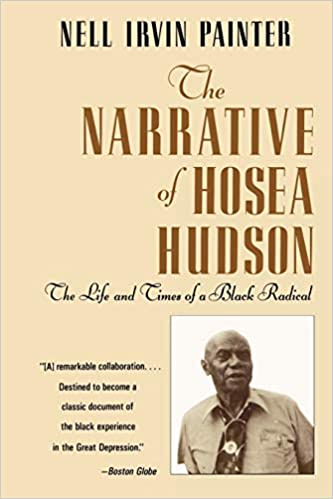
Nell Irvin Painter (NHC Fellow, 1978–79), The Narrative of Hosea Hudson: The Life and Times of a Black Radical
Nell Irvin Painter (NHC Fellow, 1978–79), The Narrative of Hosea Hudson: The Life and Times of a Black Radical

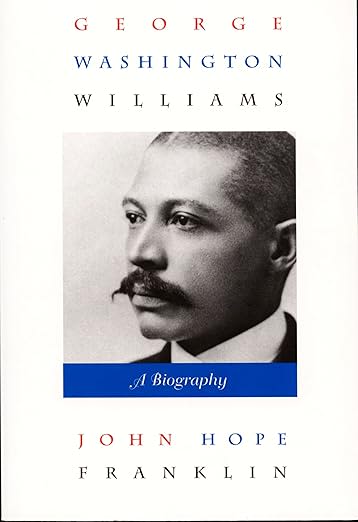
John Hope Franklin (Trustee; NHC Fellow, 1980–81; 1981–82), George Washington Williams: A Biography
John Hope Franklin (Trustee; NHC Fellow, 1980–81; 1981–82), George Washington Williams: A Biography

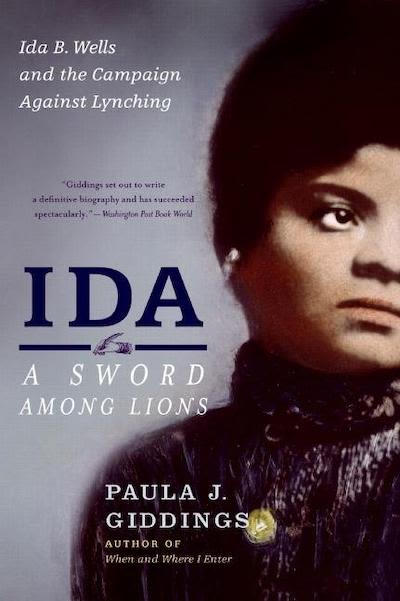
Paula J. Giddings (NHC Fellow, 1993–94), Ida: A Sword Among Lions: Ida B. Wells and the Campaign Against Lynching
Paula J. Giddings (NHC Fellow, 1993–94), Ida: A Sword Among Lions: Ida B. Wells and the Campaign Against Lynching

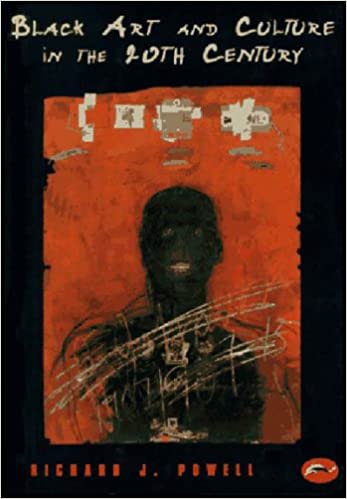
Richard J. Powell (NHC Fellow, 1995–96; 2023–24), Black Art and Culture in the 20th Century
Richard J. Powell (NHC Fellow, 1995–96; 2023–24), Black Art and Culture in the 20th Century

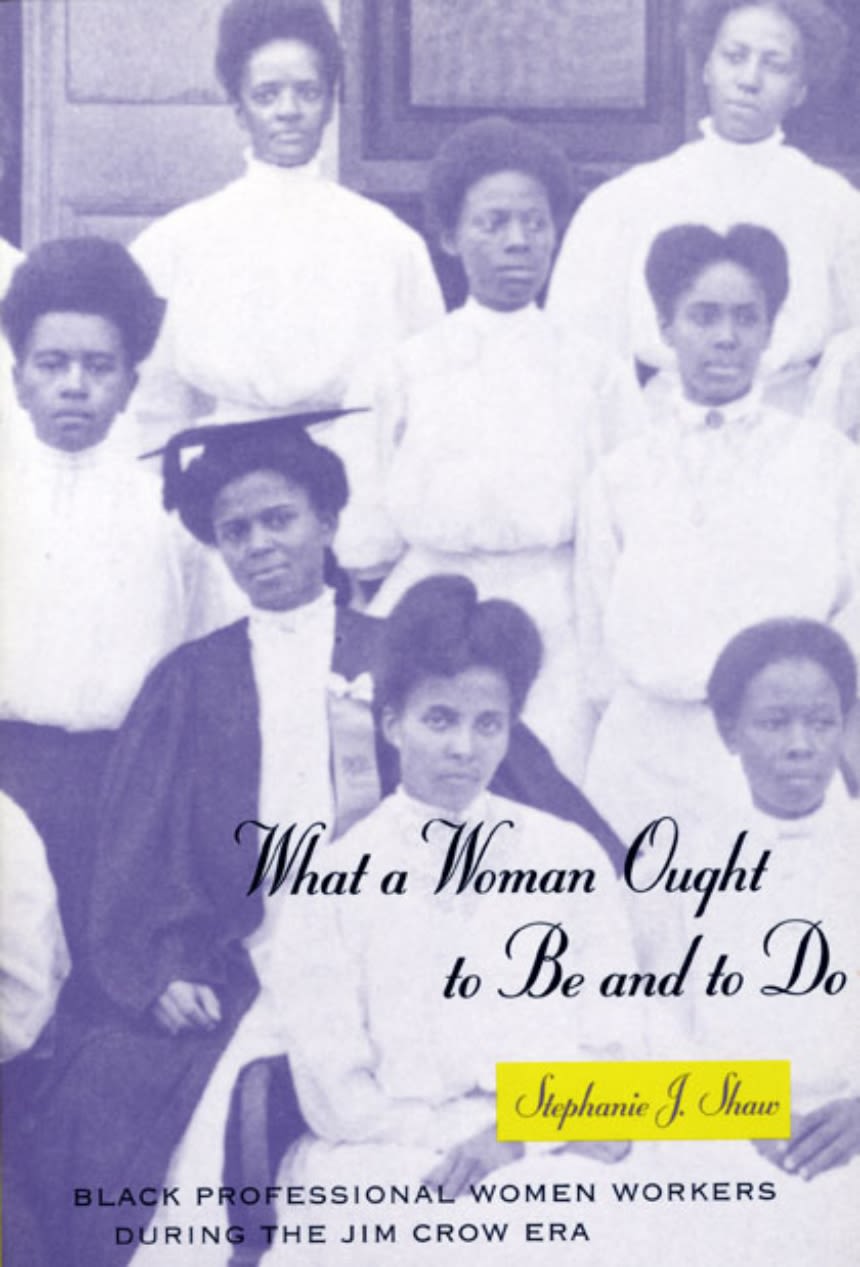
Stephanie J. Shaw (NHC Fellow, 1995–96), What a Woman Ought to Be and to Do: Black Professional Women Workers during the Jim Crow Era
Stephanie J. Shaw (NHC Fellow, 1995–96), What a Woman Ought to Be and to Do: Black Professional Women Workers during the Jim Crow Era

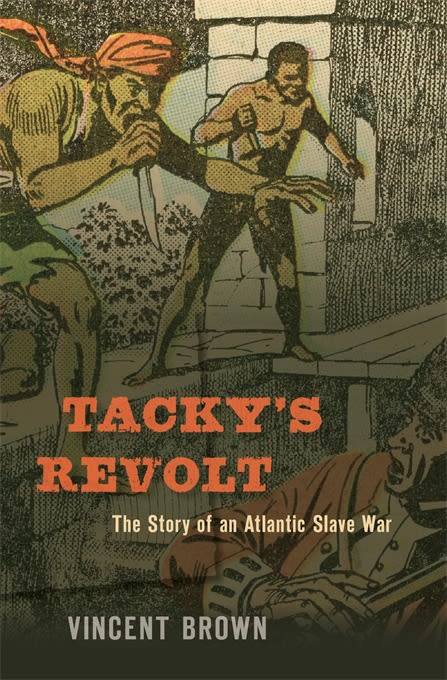
Vincent Brown (NHC Fellow, 2011–12), Tacky’s Revolt: The Story of an Atlantic Slave War
Vincent Brown (NHC Fellow, 2011–12), Tacky’s Revolt: The Story of an Atlantic Slave War

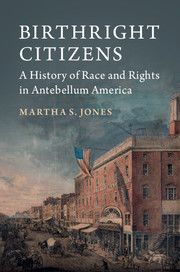
Martha S. Jones (NHC Fellow, 2013–14), Birthright Citizens: A History of Race and Rights in Antebellum America
Martha S. Jones (NHC Fellow, 2013–14), Birthright Citizens: A History of Race and Rights in Antebellum America

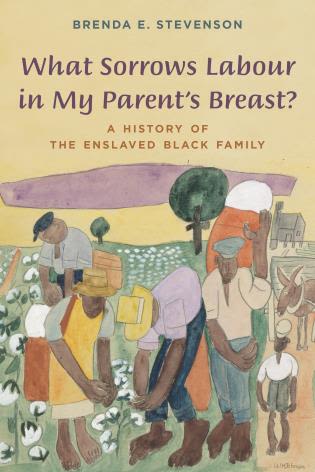
Brenda E. Stevenson (NHC Fellow, 2015–16), What Sorrows Labour in My Parent's Breast?: A History of the Enslaved Black Family
Brenda E. Stevenson (NHC Fellow, 2015–16), What Sorrows Labour in My Parent's Breast?: A History of the Enslaved Black Family

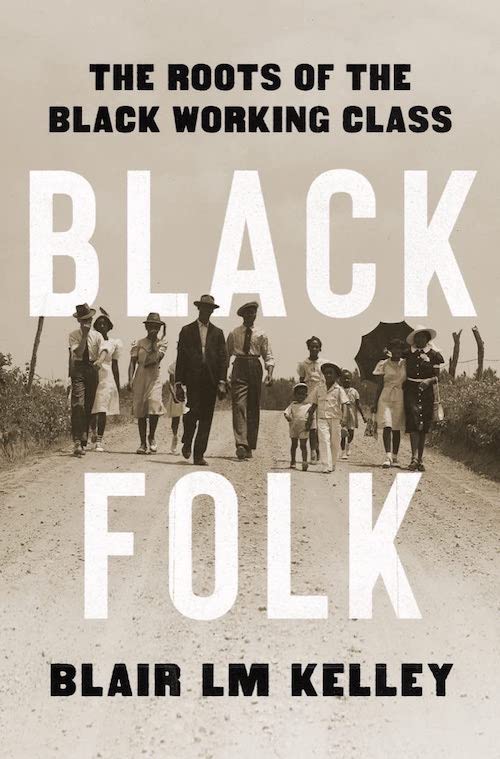
Blair LM Kelley (President and Director; NHC Fellow, 2022–23), Black Folk: The Roots of the Black Working Class
Blair LM Kelley (President and Director; NHC Fellow, 2022–23), Black Folk: The Roots of the Black Working Class


Karima K. Jeffrey-Legette (NHC Fellow, 2022–23), Speculative Film and Moving Images by or about Black Women and Girls: Watch It!
Karima K. Jeffrey-Legette (NHC Fellow, 2022–23), Speculative Film and Moving Images by or about Black Women and Girls: Watch It!


In addition to supporting groundbreaking scholarship, the Center regularly offers professional development experiences for teachers interested in bolstering their knowledge of Black studies and related topics. Here are a few recent webinars we’ve offered to help educators develop effective teaching strategies on Black American history and culture.
Forty Acres in the Twenty-First Century: Black Reparations Today
Presenters: Kirsten Mullen and William A. Darity (NHC Fellow, 1989–90)
Traveling Black: Race and Resistance on the Road, the Rails, and the Skyways
Presenter: Mia Bay (NHC Fellow, 2009–10)
F.B. Eyes on Langston Hughes and Martin Luther King, Jr.
Presenter: Jason Miller (NHC Fellow, 2022–23)
Featured Research: Between the Medium and the Message
This month we highlight the research of 2025–26 Fellows whose projects examine how media technologies—printing, typography, and sonic archives—have been harnessed and adapted to reflect distinctive identities, preserve cultural elements or memories, and help foster community.

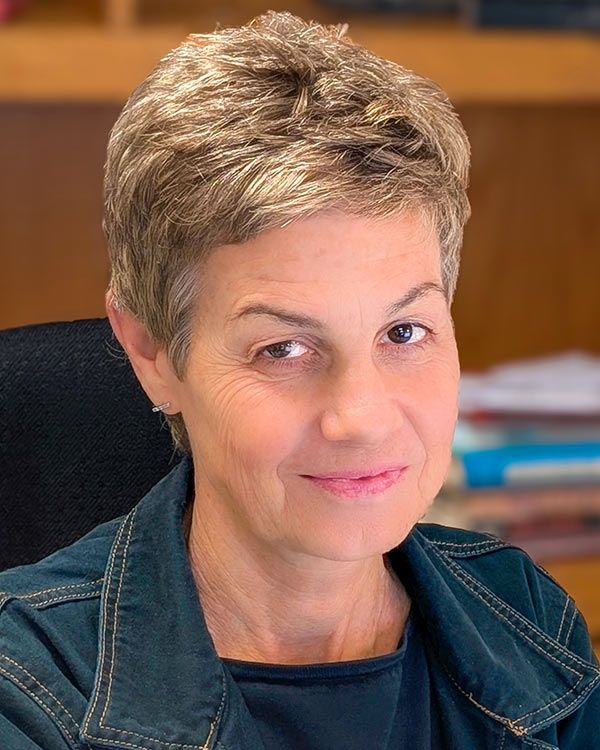
Alejandra Bronfman
Project: “Afterlives of a Voice: History and Memory in Sonic Archives”
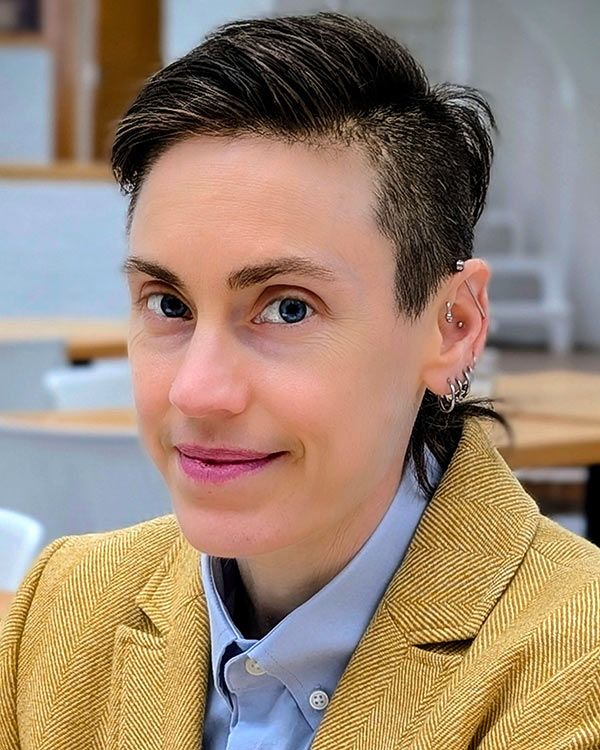
CJ Jones
Project: “Binding Ritual: Enclosed Women, Cultural Authority, and Liturgical Books in Late Medieval Germany”
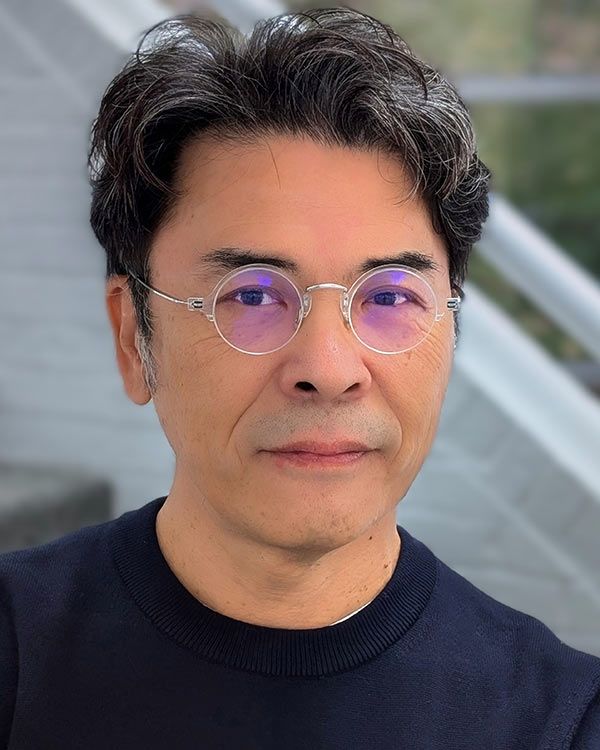
Young Kyun Oh
Project: “The King’s Press: Typography and Printing in Chosǒn Korea (1392–1910)”


News from the NHC Community


Meet the NHC’s new Vice President for Development
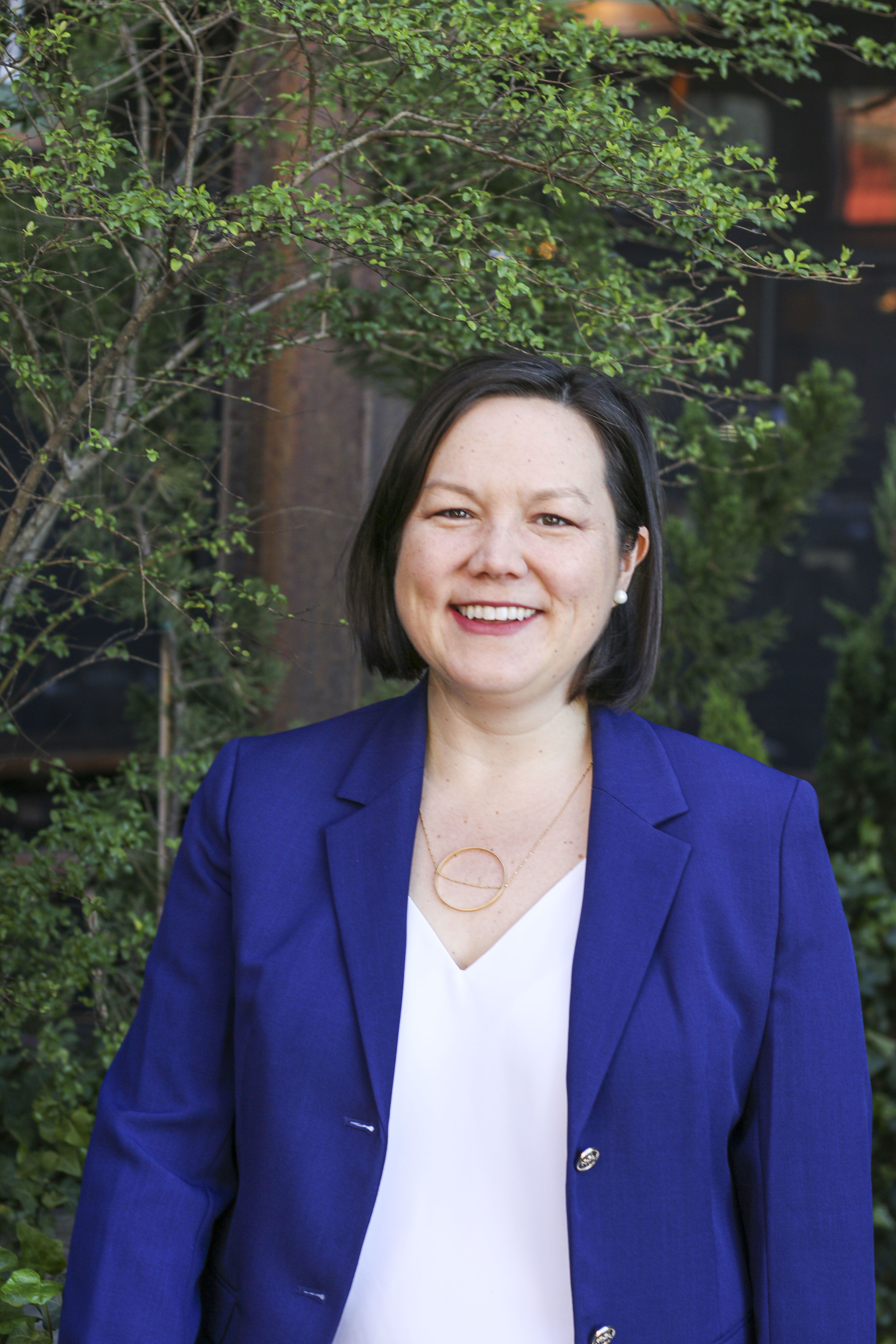
Leah Wu Fell leads the National Humanities Center’s fundraising and donor engagement efforts, partnering with supporters to secure philanthropic investment that sustains and advances the Center’s impact. She brings more than 20 years of development leadership across educational, cultural, and scientific nonprofit organizations. Prior to joining the Center, she served as Chief Development Officer at PBS North Carolina. Her other previous roles include senior fundraising positions at the North Carolina Museum of Natural Sciences, the Wildlife Conservation Society at the Bronx Zoo, and the Brookings Institution.
Leah holds an MA in International Education from New York University and a BA in English and Spanish from Georgetown University. She is inspired by the humanities and values their essential role in fostering critical thinking, cultural understanding, and a more informed public life.

Kwame Anthony Appiah (Trustee; NHC Fellow, 1990–91) recently offered his thoughts in a Chronicle article on the current state of higher education, the limits of free speech, and the mistakes of the implementation of DEI offices.
Kathleen DuVal (NHC Fellow, 2008–09; 2025–26) was recently featured in a Time magazine roundtable article wherein she discusses her experience as a historical advisor for Ken Burns’ 2025 docuseries, The American Revolution.
John M. Doris (NHC Fellow, 2008–09) was awarded the 2025 Joseph B. Glitter Award from the American Philosophical Association for his 2022 book, Character Trouble: Undisciplined Essays on Moral Agency and Personality.
Bart D. Ehrman (NHC Fellow, 2009–10; 2018–19) delivered his retirement lecture, “The Most Significant Discovery in the History of Biblical Studies,” at the University of North Carolina at Chapel Hill. This lecture marks the end of Ehrman’s teaching career at UNC.
David K. Johnson (NHC Fellow, 2014–15) was recently awarded the Voice for Equality Award by Equality Florida during their Tampa Gala recognizing his unwavering support for LBGTQ history spanning two decades.
Pavlos Kontos (NHC Fellow, 2017–18) spoke to the relevance of Aristotle’s philosophy—including the questions its raised over two millennia—in today’s world in an interview with Pappas Post.
Kunal M. Parker (NHC Fellow, 2014–15) was awarded the American Society for Legal History’s John Phillip Reid Book Award for his 2024 book, The Turn to Process: American Legal, Political, and Economic Thought, 1870–1970.
Ted Underwood (NHC Fellow, 2018–19) offered his expertise in a Chronicle article about possible future directions higher education and its administrators should take about the use of AI in the pursuit of knowledge production for the betterment of faculty, students, and education as a whole.
Summer Institute Opportunities
Teaching the Digital Diaspora


Teaching African American Studies Summer Institute (TAASI) 2026
June 16–20, 2026 at Prairie View A&M University
Connecting Research and Learning Across Disciplines


2026 Humanities and STEM Faculty Institute
August 3–7, 2026 at Howard University

Your support helps advance research, teaching, and public appreciation for the humanities.
Please consider making a gift to the National Humanities Center.
The Window Newsletter
This email was sent because of your affiliation with the National Humanities Center, or because you signed up for our newsletter.
Have concerns or news to share? Please send them to us at nhc-news@nationalhumanitiescenter.org
Subscribe | View In Browser
© 2026 National Humanities Center | 7 T. W. Alexander Drive | Durham, NC 27713 | nationalhumanitiescenter.org
Copyright Infringement | Privacy Notice
 Built with Shorthand